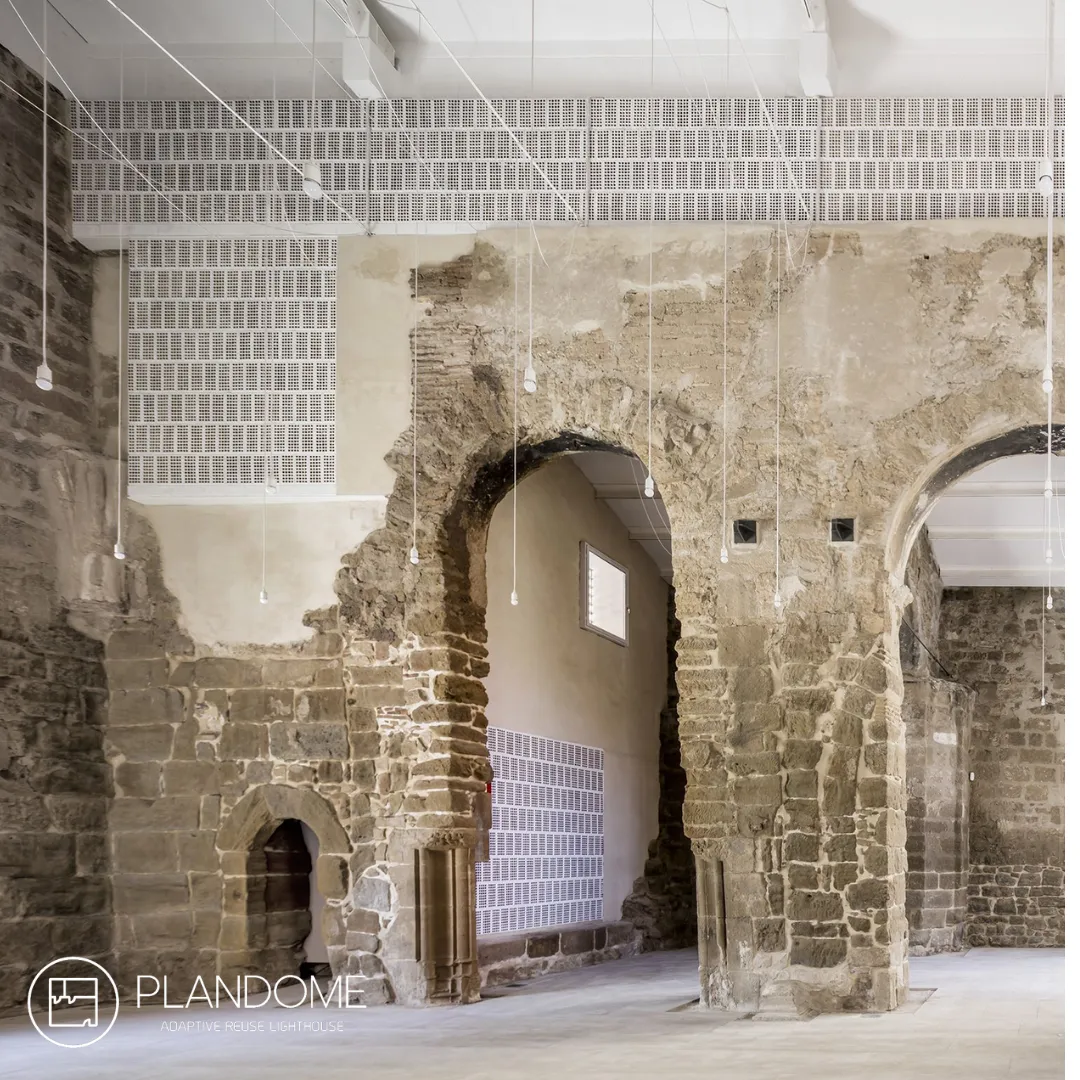
Key Compliance Requirements for Structural Changes in Heritage Conversions
Introduction
When undertaking a heritage conversion, making structural changes is often necessary to bring the building up to modern standards. However, these changes must be made with great care to ensure compliance with building regulations and to protect the building’s historical integrity. Whether you are converting a listed building or a heritage site, understanding the compliance requirements for structural changes is essential to ensure the project’s success. In this post, we will explore the key factors you need to consider when making structural alterations to a heritage property.
1. Preserving Structural Integrity
The most important aspect of any structural change in a heritage property is maintaining its structural integrity. Any modifications made should ensure the building remains structurally sound while also protecting its historic features. Whether it's reinforcing the foundation, updating load-bearing walls, or improving stability, the key is to balance the need for modern improvements with the preservation of the building’s historic value.
2. Understand the Limits of Alterations
When working with listed buildings, there are strict rules governing the structural changes you can make. You cannot alter or remove key structural elements of the building without explicit approval. For example, you may not be allowed to modify or remove load-bearing walls or other critical features unless absolutely necessary. Always consult with a heritage architect to identify which parts of the building can be safely modified.
3. Planning Permission for Structural Work
In addition to complying with building regulations, structural changes typically require planning permission. The local authority must approve any alterations to ensure that the work is done in a way that respects both safety standards and conservation objectives. Depending on the property's grade and location, you may need to apply for special permissions to make structural changes to the building.
4. Complying with Safety Regulations
One of the core aspects of building regulations is ensuring the safety of the building. This includes fire safety, ensuring structural stability, and verifying load-bearing capacity. When making structural changes, it’s essential that you meet these safety standards without compromising the building’s historic fabric. Retrofitting new structures like fire escapes or improving fire alarm systems must be done carefully to avoid damaging the building's historical features.
5. Use of Appropriate Materials
The materials used for structural changes must be compatible with the existing structure of the heritage building. Using inappropriate materials can not only affect the building's structural integrity but can also detract from its aesthetic value. It’s essential to use materials that match the original construction, both in terms of appearance and functionality. For example, if you are reinforcing a stone wall, the replacement stones should match the original ones in both texture and color.
6. Working with Specialist Contractors
Making structural changes to a heritage building requires a high level of expertise. It is crucial to work with specialist contractors who have experience in listed properties. These contractors understand the unique challenges of working with historic structures and know how to navigate the compliance requirements effectively. They will help ensure that the structural alterations are carried out in a way that meets modern building codes while respecting the historic integrity of the building.
7. Structural Survey and Documentation
Before starting any structural work, a detailed structural survey is often required. This survey assesses the condition of the building and identifies areas that need reinforcement or repair. The survey helps ensure that the structural changes do not compromise the building’s historical features. The survey also provides essential documentation for planning permission and building regulation approval.
8. Monitoring During the Construction Process
Structural changes in heritage properties require careful oversight throughout the construction process. Regular inspections by a conservation officer or structural engineer are essential to ensure that the work complies with building regulations and does not harm the historical fabric of the building. These inspections help ensure that any structural work is being carried out according to the approved plans and that no unexpected issues arise.
Conclusion
When making structural changes in a heritage conversion, it’s essential to ensure that the work complies with both building regulations and heritage preservation standards. Protecting the structural integrity of the building while integrating modern improvements requires careful planning and expert guidance. By adhering to these compliance requirements, you can ensure that your heritage conversion respects the building's history and meets modern standards of safety, efficiency, and functionality.


